Can You Decarb Plant Extract in Coconut Oil? (2021 Update)
Updated Apr 4, 2022
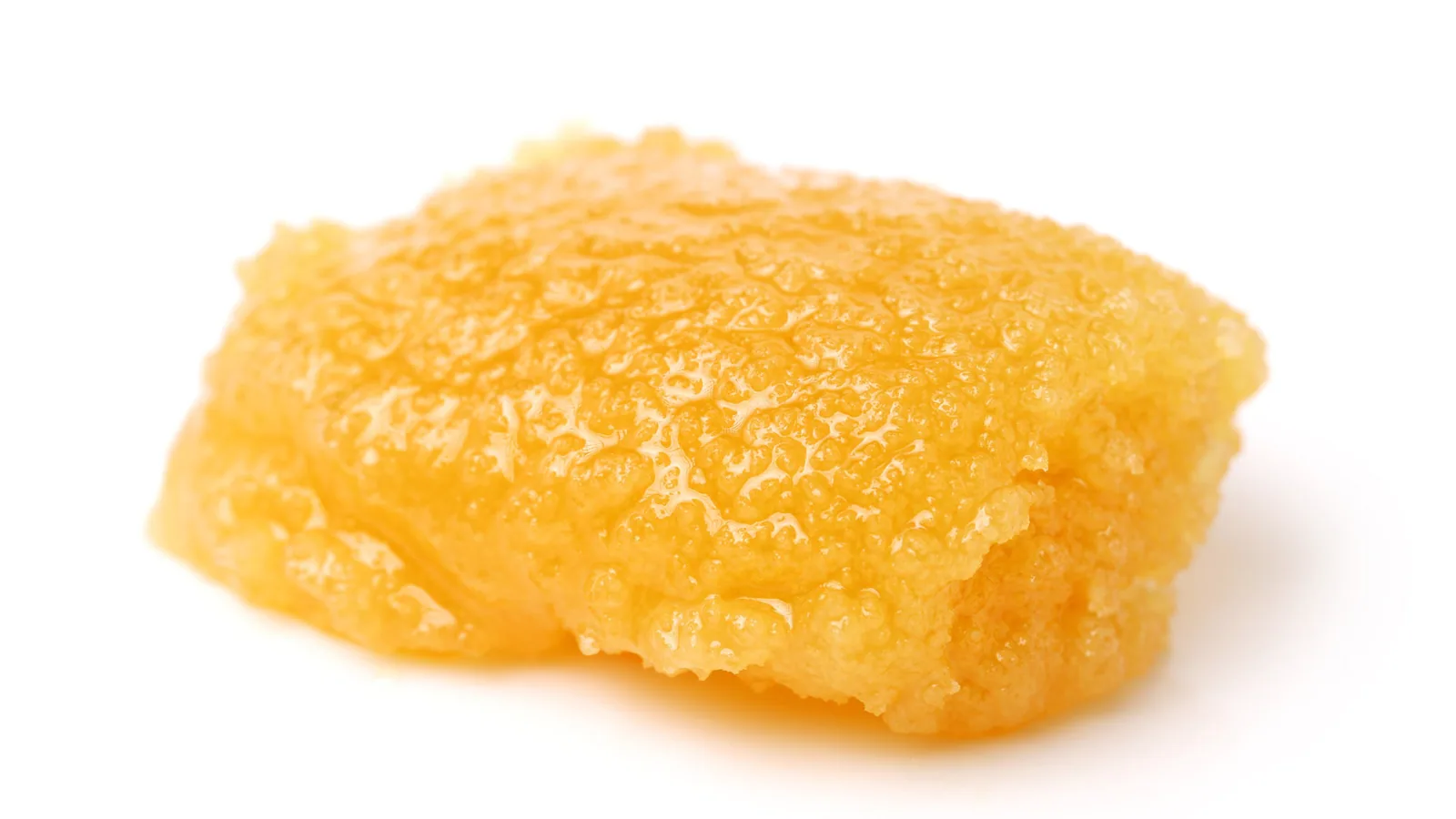
The list of plant products that you can use to make infused treats is quite long. An excellent example of such a product is a concentrated plant extract, which has a striking resemblance to honey, especially its yellowish-gold colour. Far from that, it has what it takes to help you create high-quality infused treats with just a few steps.
In most cases, expect the methods to have up to three steps. They include decarboxylation, infusion, and straining. This article focuses on decarbing, especially answering whether one can decarb plant extract in coconut oil. So, without much ado, let’s get started.
What is Decarboxylation?
It is the process of heating the plant extract gently to activate the target compounds so that one’s body can be in a position to process them upon ingesting them. It explains why it is a crucial process as far as creating infused treats is concerned. Creating excellent and effective infused treats using raw plant material or other raw and inactive products isn’t a smart move. After all, although raw plant material contains the target compounds in their acidic precursor form, those compounds are usually inactive. Therefore, it becomes hard to feel the intended effect despite consuming even a whole bag of dried herb.
Consequently, converting the acidic precursors into their active form becomes of the essence. That’s where decarboxylation comes in. The process leads to the conversion of significant plant compounds into molecular forms. The latter are active, which is why decarboxylation matters so much for anyone preparing plant material for infusion.
Decarboxylation is a chemical reaction responsible for removing the carboxyl group (COOH) from the acidic precursors of the target compounds. During the reaction, one of the by-products is carbon dioxide. The only thing needed to make the process complete is heat. We will be discussing it more shortly.
Can I Decarb Plant Extract in Coconut Oil?
The answer to the question above is YES. It explains why coconut oil is a common ingredient in herbal products such as salves and infused treats, just to mention a few.
How to Decarb Plant Extract in Coconut Oil
If you want to decarboxylate plant extract in coconut oil, follow these steps:
Requirements
Ensure that you have the following equipment
· Saucepan
· Parchment paper
· Baking tray
Ingredients
Besides having the equipment, consider these ingredients too
· A gram of plant extract
· A cup of coconut oil
A Step by Step Guide - How to Decarb Plant Extract in Coconut Oil
Once you have the equipment and ingredients, follow these instructions.
First of all, preheat the oven and ensure that its temperature is between 200 degrees Fahrenheit and 250 degrees Fahrenheit
Line the baking tray using the parchment paper
Put your plant extract at the centre of the lined baking tray
Place the baking tray in your oven and let it heat for up to 25 minutes
Give the plant extract some time to ensure that it melts completely
Please wait until it starts bubbling steadily and once that happens, go ahead and remove the baking sheet out of your oven
Let the mixture cool before putting it in a freezer for about 15 minutes
Heat your coconut oil in the saucepan
Using a fork, hold your decarbed plant extract over the saucepan containing coconut oil
Heat the plant extract gently using a lighter
Ensure that the melting extract drips into your coconut oil
Last but not least, stir the mixture until the plant extract and the coconut oil blend perfectly
Tips During the Decarboxylation of Plant Extract
Ensure that you give your plant extract and coconut oil enough room to bubble and expand
Avoid overdoing the decarboxylation process to avoid ending up with a degraded compound as your final product instead of the expected active form
Don’t cook the plant extract but instead heat it just enough to melt it off the fork
Please don’t assume that microwaving the plant extract is an option since it is destructive
For even distribution of the plant extract, avoid adding it into too much coconut oil
Ensure that you start decarbing the plant extract first before proceeding to the introduction of the coconut oil
The importance of cooling your plant extract after decarboxylation is to give you an easy time when removing it from the parchment paper with a scraping tool
Ensure that your coconut oil doesn’t boil
The introduction of lecithin into coconut oil is often recommended due to its significant role in improving the rate at which the body absorbs the active compounds. The more the amount, the more pronounced the intended effect, as it means a stronger infusion
As you use the coconut oil, ensure that your amount is proportional to the recipe at hand. That’s often called portioning, which is essential as it determines how strong your infused treats will be in the end.
Why is Coconut Oil a Preferred Option?
The main reason coconut is commonly used is its high concentration of saturated fats or fatty acids. Due to the many fatty acids, coconut oil will bind strongly with the active compounds. Consequently, coconut oil retains a relatively massive amount of active compounds during the infusion.
Secondly, coconut oil remains solid even at room temperature. That’s a characteristic of any salve or balm, explaining its popularity. Due to the solid state, storing coconut oil through gelatin capsules is also easy. It is no secret that it is a popular and effective way to use coconut oil.
Additionally, coconut oil contains various beneficial acids. A good example is lauric acid, a naturally occurring fatty acid. Last but not least, coconut oil has a healthy oil base due to its surplus fatty acids.
Final Words
From the above discussion, decarbing plant extract is an essential step when making infused treats. It ensures that you don’t have to consume much dried herb to feel the intended effect. It also makes it ingestible, hence no need to rely on other methods to feel the effect. There are many ways of decarboxylation, but our focus was on using coconut oil in the process. The steps and tips of doing so are now at your disposal. Equally important, you understand why coconut oil is an ideal choice. Therefore, as you make your infused treats using plant extract, you are now wiser than before.
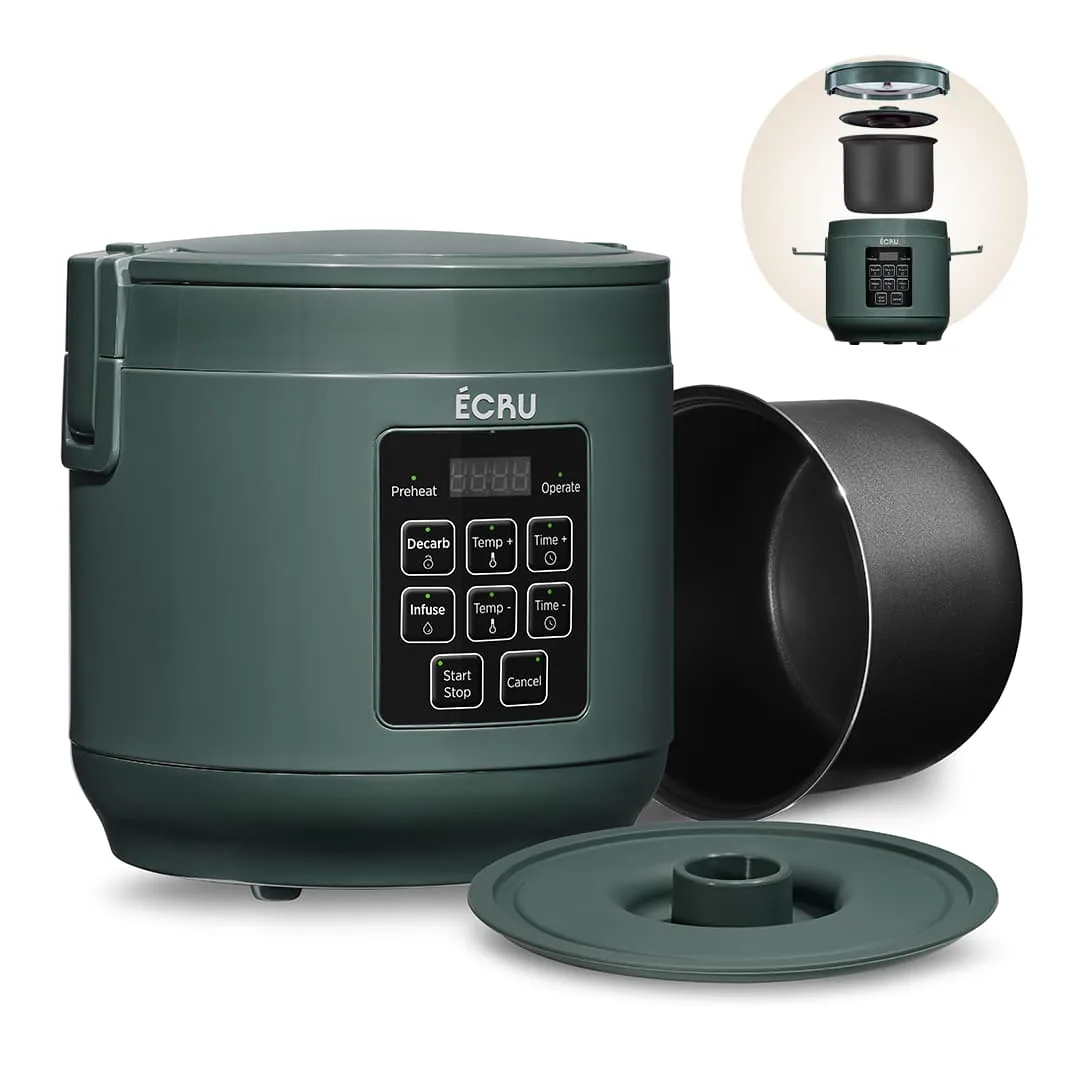
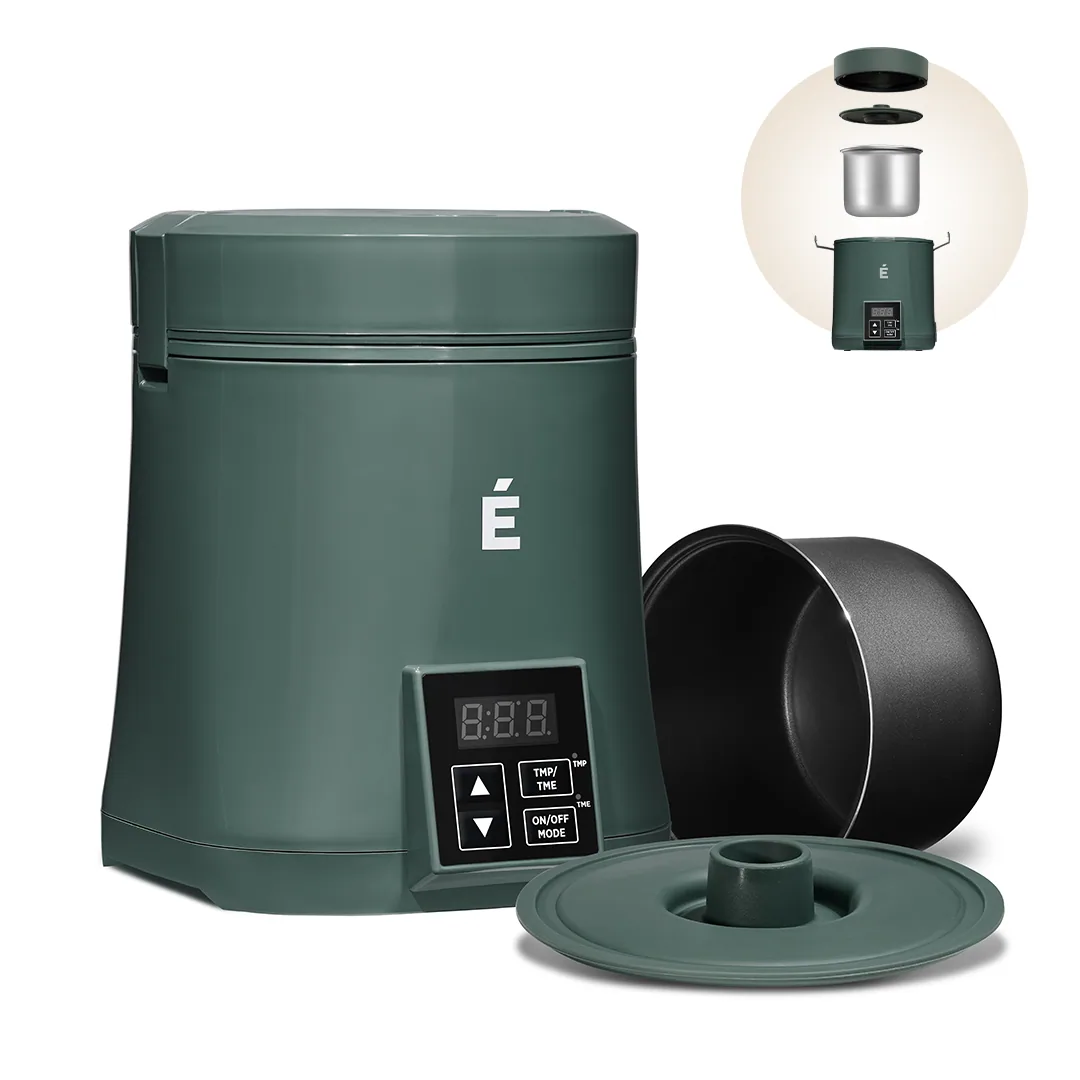
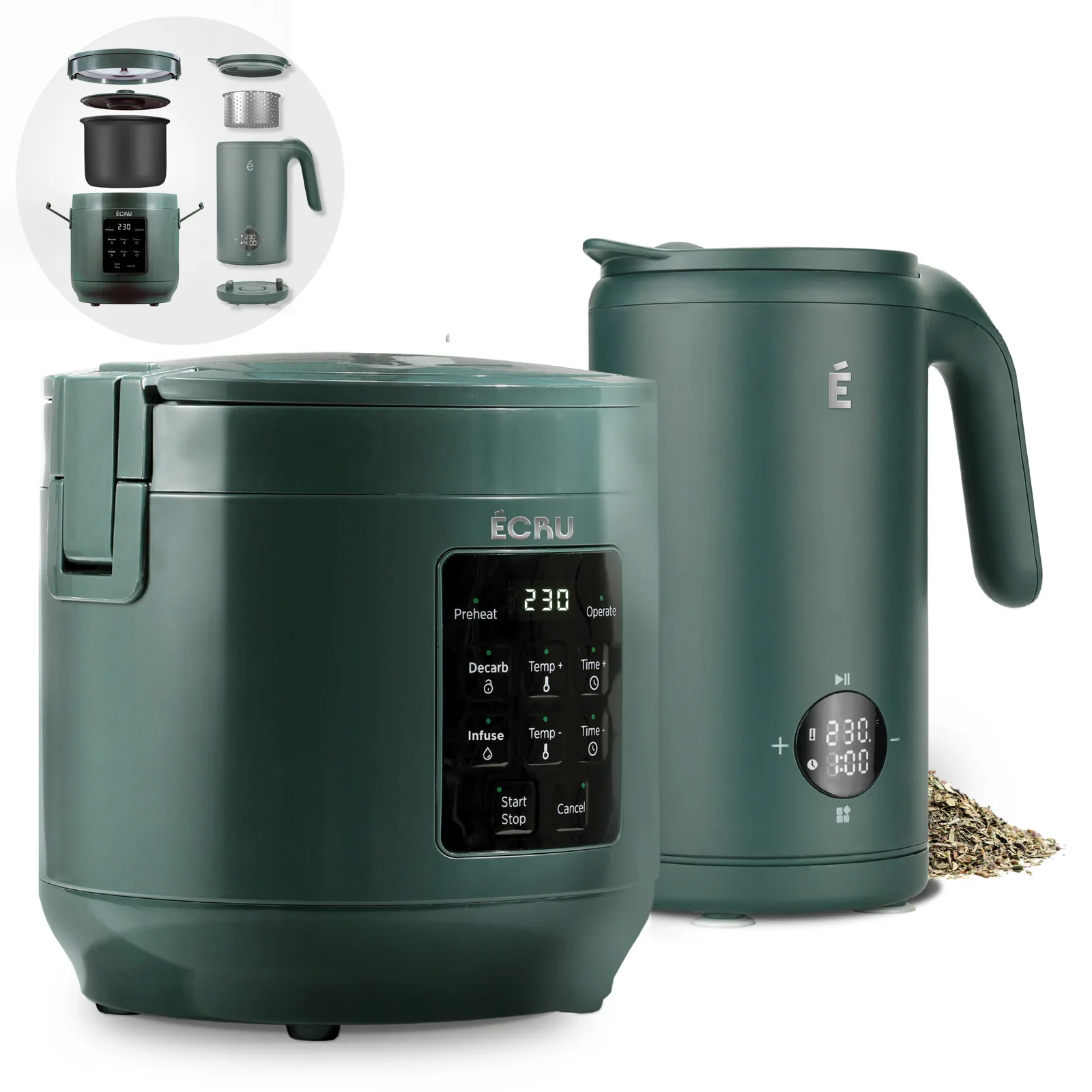
Want to make infused treats at home? Learn more about ECRU Decarb and Infuse products.