How to Decarboxylate Pressed Plant Material
What is Pressed Plant Material?
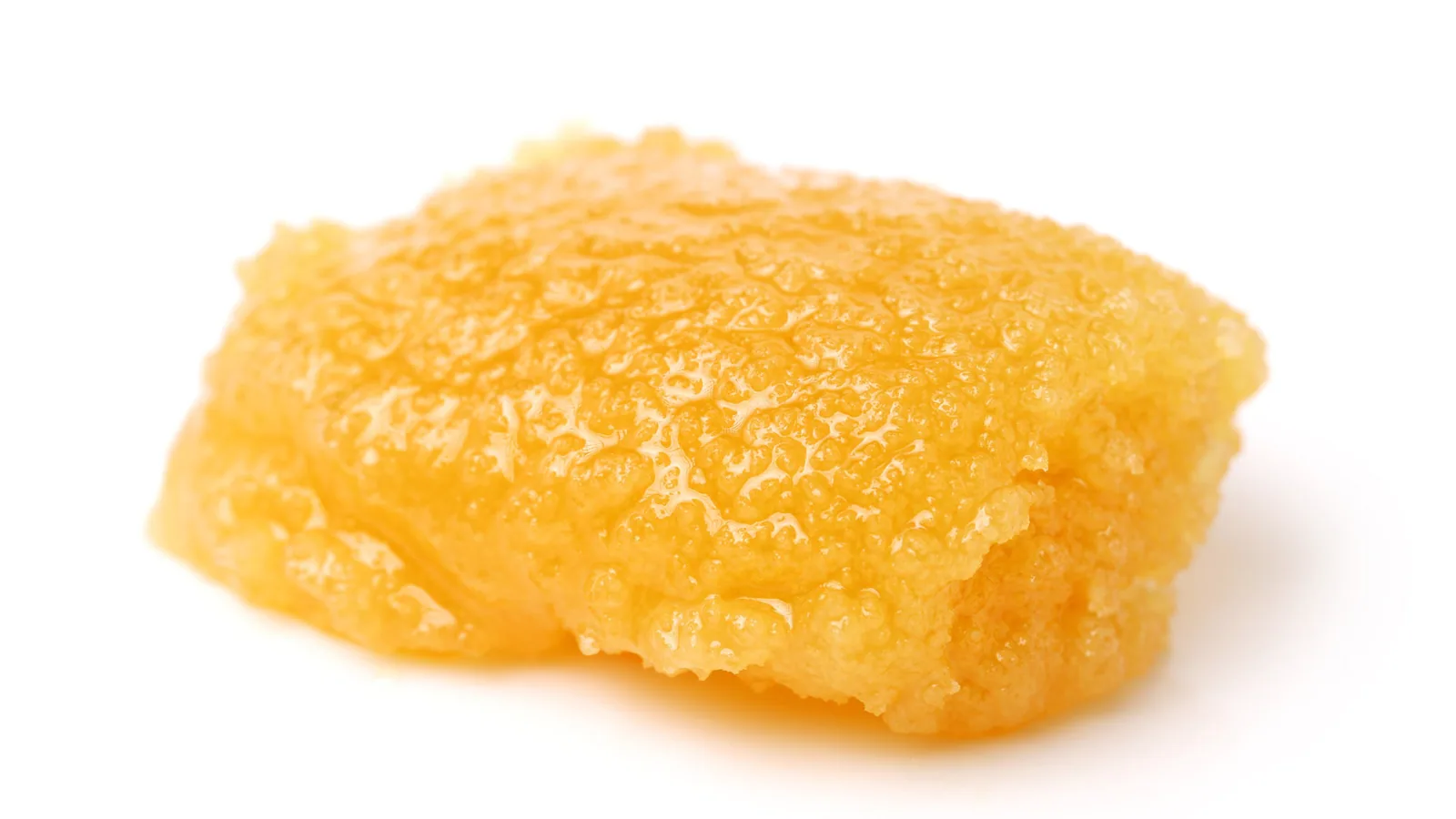
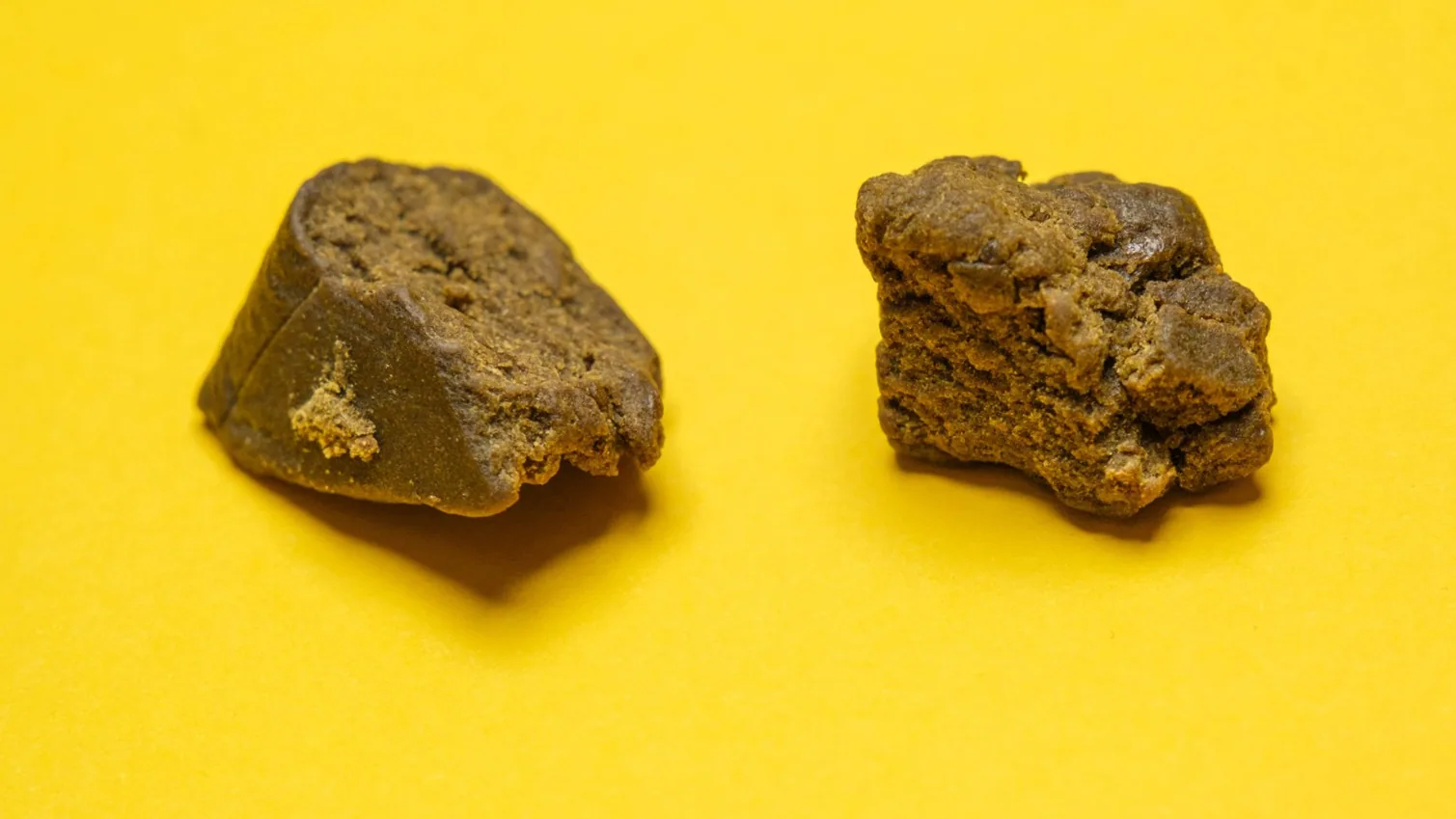
Pressed plant material is made from the tiny aromatic glands that coat the herb. It's produced by collecting and compressing those glands from the ripe plant material. It's one of the most concentrated forms of herb product. There are two main kinds of pressed plant material - the dry sift method and the ice water method. The finished product comes with a different texture. You might get something like a solid rock or a loosely rolled ball. No matter what form you are getting, the strength is assured - it's one of the highest.
Why do you need to decarboxylate pressed plant material?
If you want to use it discreetly, decarboxylated pressed plant material will smell way less compared to the fresh kind. For home chefs, pressed plant material is clean, and the ideas are tremendous. The main components of pressed plant material are the aromatic glands, plant extract and active compounds.
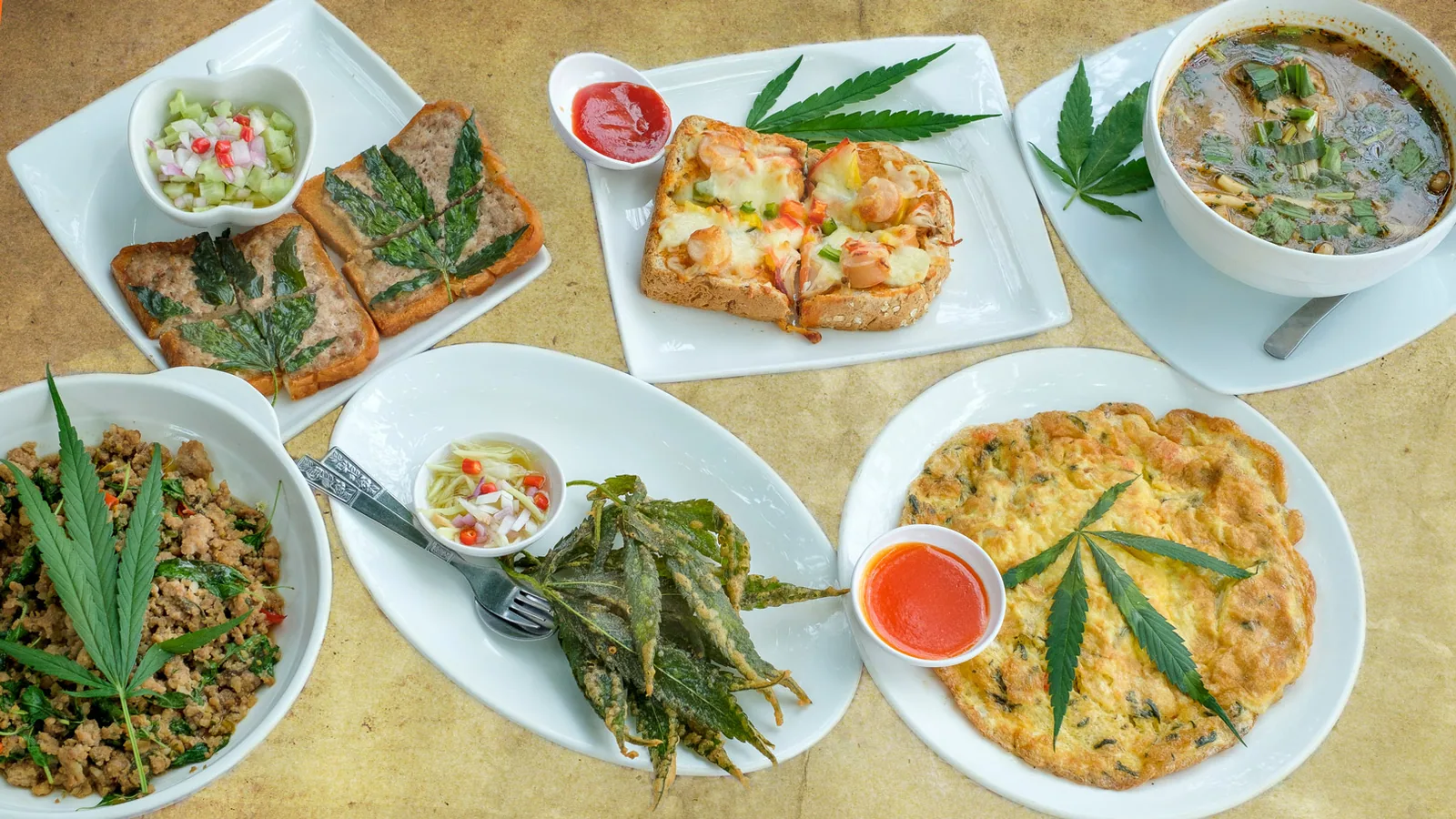
By grating your pressed plant material very fine and decarbing it, you can simply sprinkle it on food just like regular seasoning. If you don't like the chlorophyll taste, infusing butter with pressed plant material will deliver the intended effect without the smell. Decarbed pressed plant material means excellent ideas in food and drink.
Here are the steps of pressed plant material decarboxylation:
What you will need:
Pressed plant material and pollen of the herb variety you like
Baking glass pan from #ECRUDecarb or #Activator
Grater
Oven
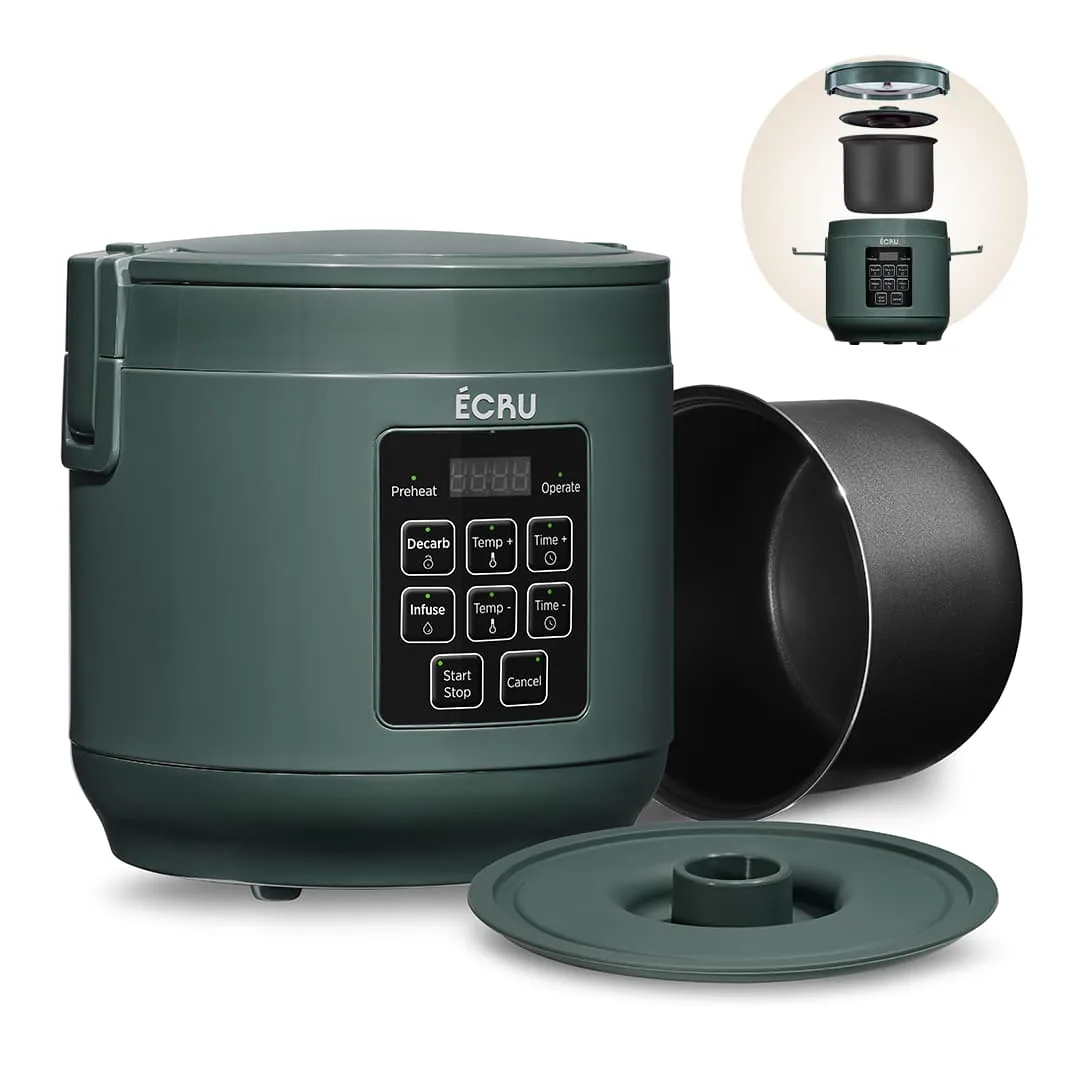
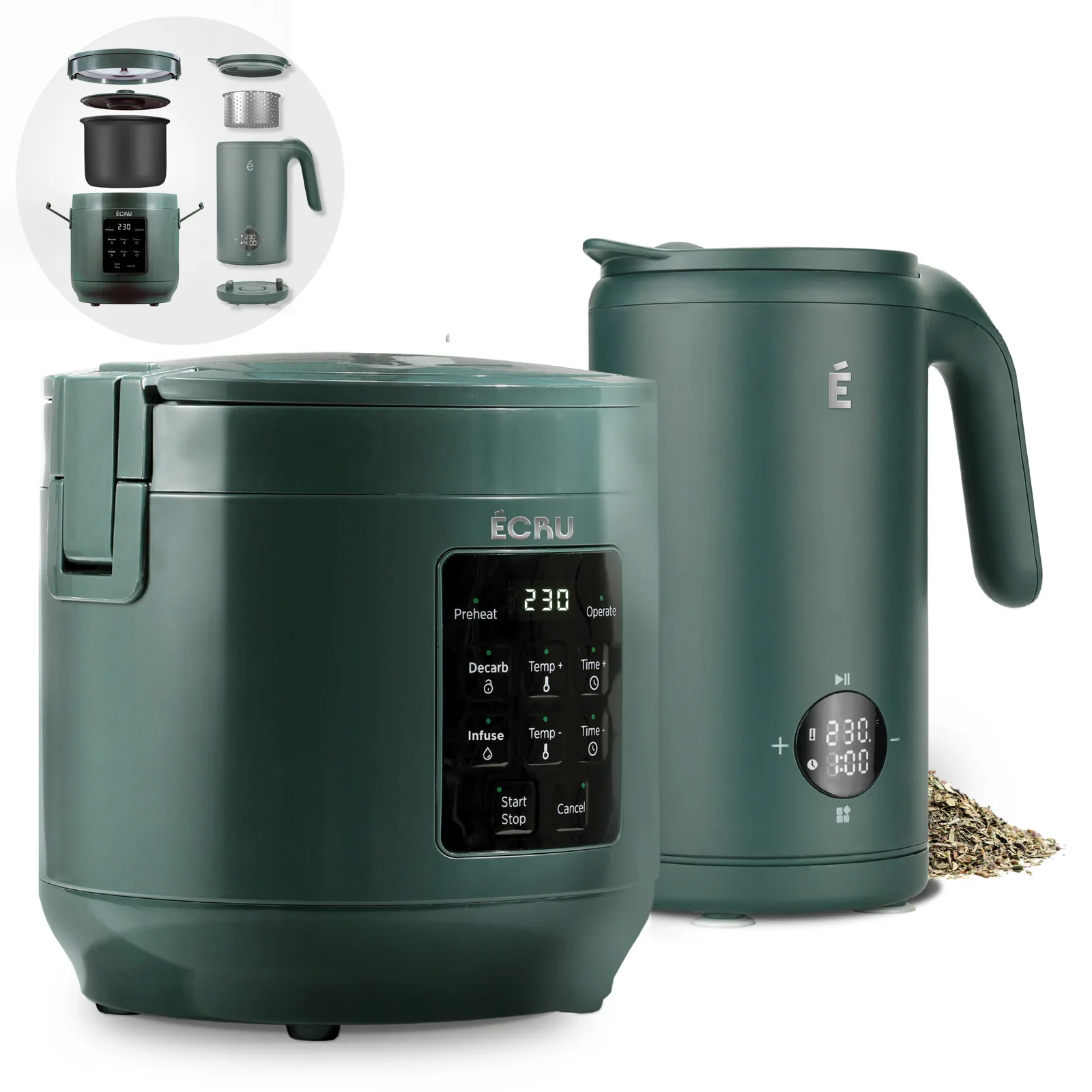
Method using ECRU Decarb Kit
Step 1: Calibrate Your Oven
Set your desired mode using 4 preset modes if you are working with a specific herb variety or a particular profile of active compounds.
Preheat your oven with the sensor probe before decarb. Make sure you DO NOT place the LCD display in the oven.
Check your oven temperature. If the temperature reading on the thermometer differs from your oven setting, raise or lower your oven temperature to compensate. For example, your setting is 260°F, but the thermometer reads 250°F, which means your oven is lower than your preset temperature. For decarb, you would increase your oven temperature.
NOTE:It's common for your oven to fluctuate by + 30°F and – 30°F. That's because oven cycles turn on and off for a total range of 60°F.
Step 2: Decarb Your Herb
After preheating, spread herb evenly in the glass pane, and press the silicone lid top down on all sides to seal.
Insert the temperature probe into the socket on the right side of the device.
Bake on the center oven rack for even heating. Do NOT exceed recommended durations.
When you put your decarb box with herbs in the oven, your glass pan will take some time to reach the desired temperature. The preset timer will start the countdown once the preset temperature has reached. Once the process is done, the alarm will sound.
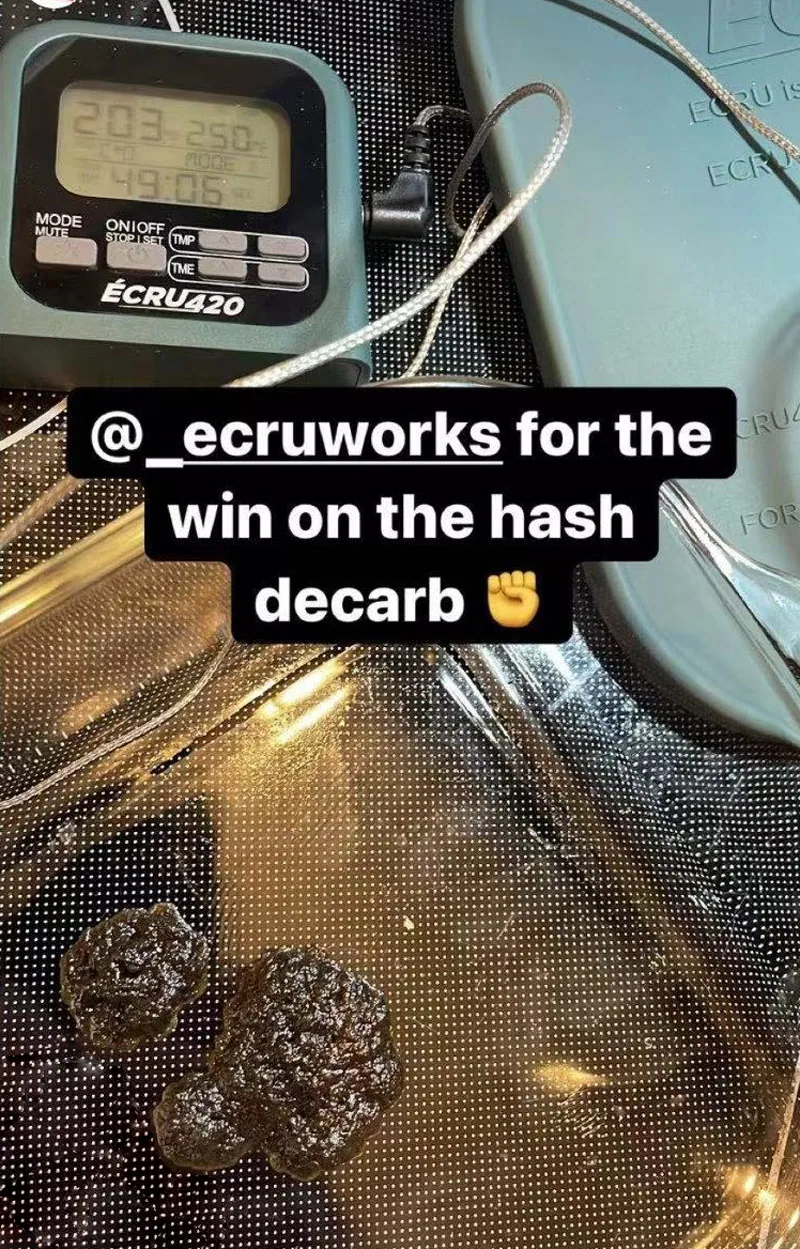
With ECRU Activator, the steps are much simplified.
Method using ECRU Decarb Activator
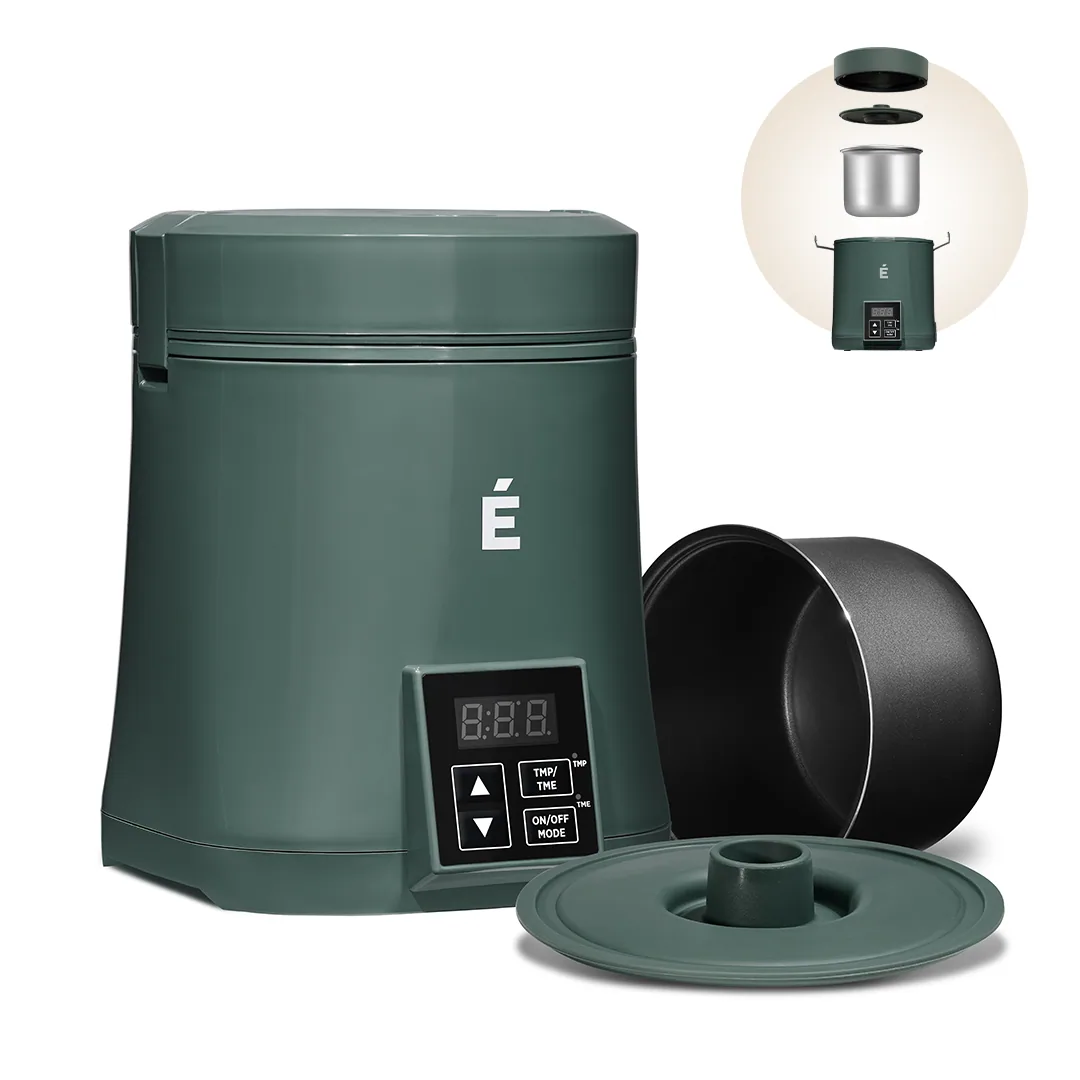
Load the canister up with herb. The Max capacity of the canister is 2 oz.
Put the cover lid onto the aluminum canister and lock the activator.
Power it up.
Press the TMP to select time and temperature. Press to adjust time and temperature.
The decarb cycle will start in 10s automatically once the mode is set.
Once preheat has been completed, the countdown will start automatically.
When the process is completed, you will sound "beep."
Note: Ensure your herb is completely dry; otherwise, the lid will open during decarb.
After the herb is decarbed, simply spread it on top of your food, make it a capsule, or soak it with alcohol of your choice. Serving options can be creative and numerous. ECRU opens up every possibility for bringing herb into your daily lifestyle.
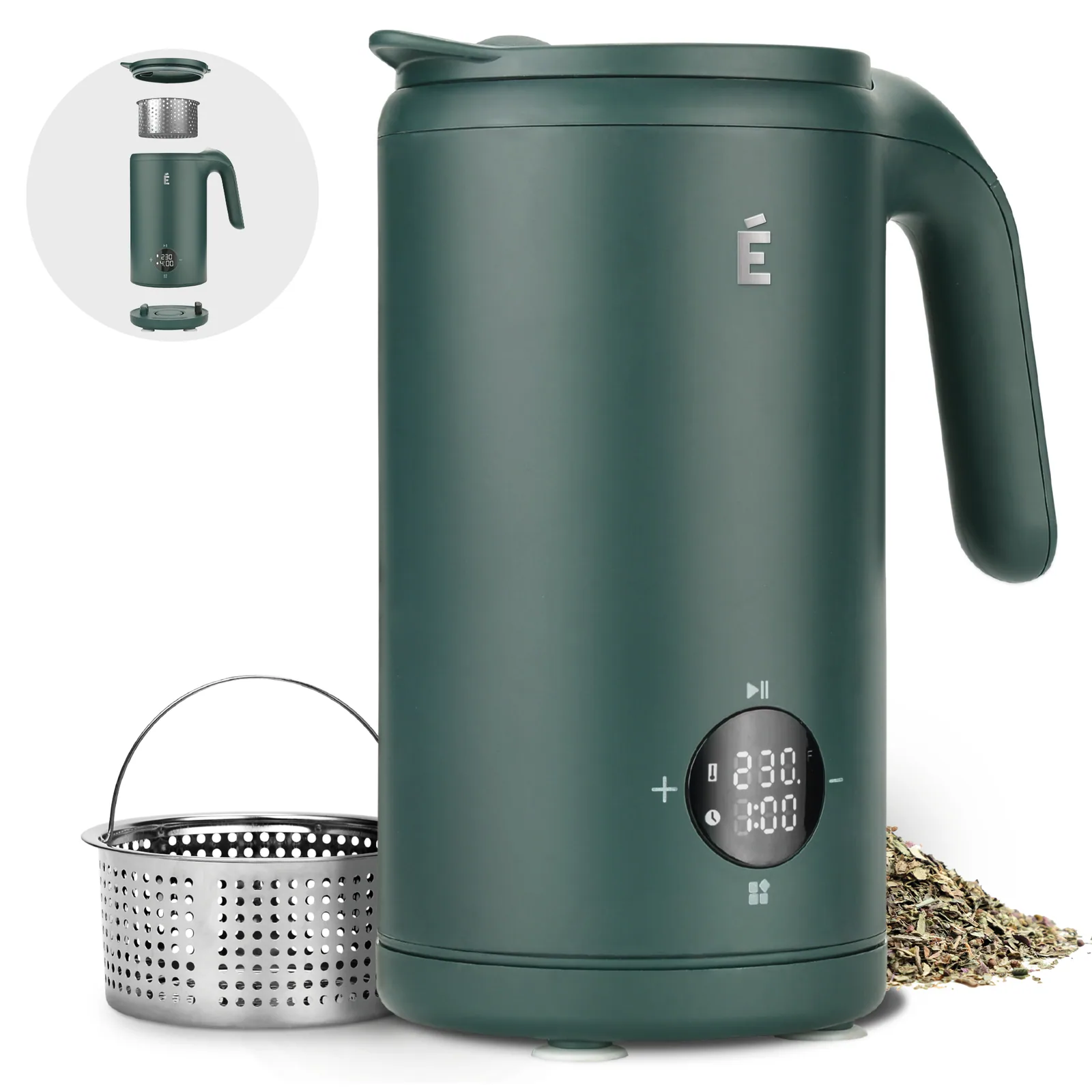
Interested in Infusion? Checkout ECRU Infuser
Conclusion:
Decarbing pressed plant material is always a great way, whether you want to use it discreetly or you are interested in a simpler yet effective way of enjoying the active compounds. Roll up your sleeves and give it a try. You will be amazed how amazing it is.