Does Decarboxylation Destroy Aroma Compounds? [2021 Guide]
Updated Nov 13, 2021
There you are, enjoying the herb variety you like, savoring the relaxed feeling it brings you, and you might start to wonder - can I bring that unique taste into my food? If you know about decarboxylation, you might start wondering,
Does decarboxylation kill aroma compounds?
To solve this wonder, we might dive into the world of decarboxylation. Decarboxylation is mainly about the active compounds. However, those are not the only compounds that matter in an herb variety. In most cases, the variety you enjoy is a combination of its smell, the feeling it brings to you, and the ratio of its aroma compounds, active compounds, and more.
So what is an aroma compound?
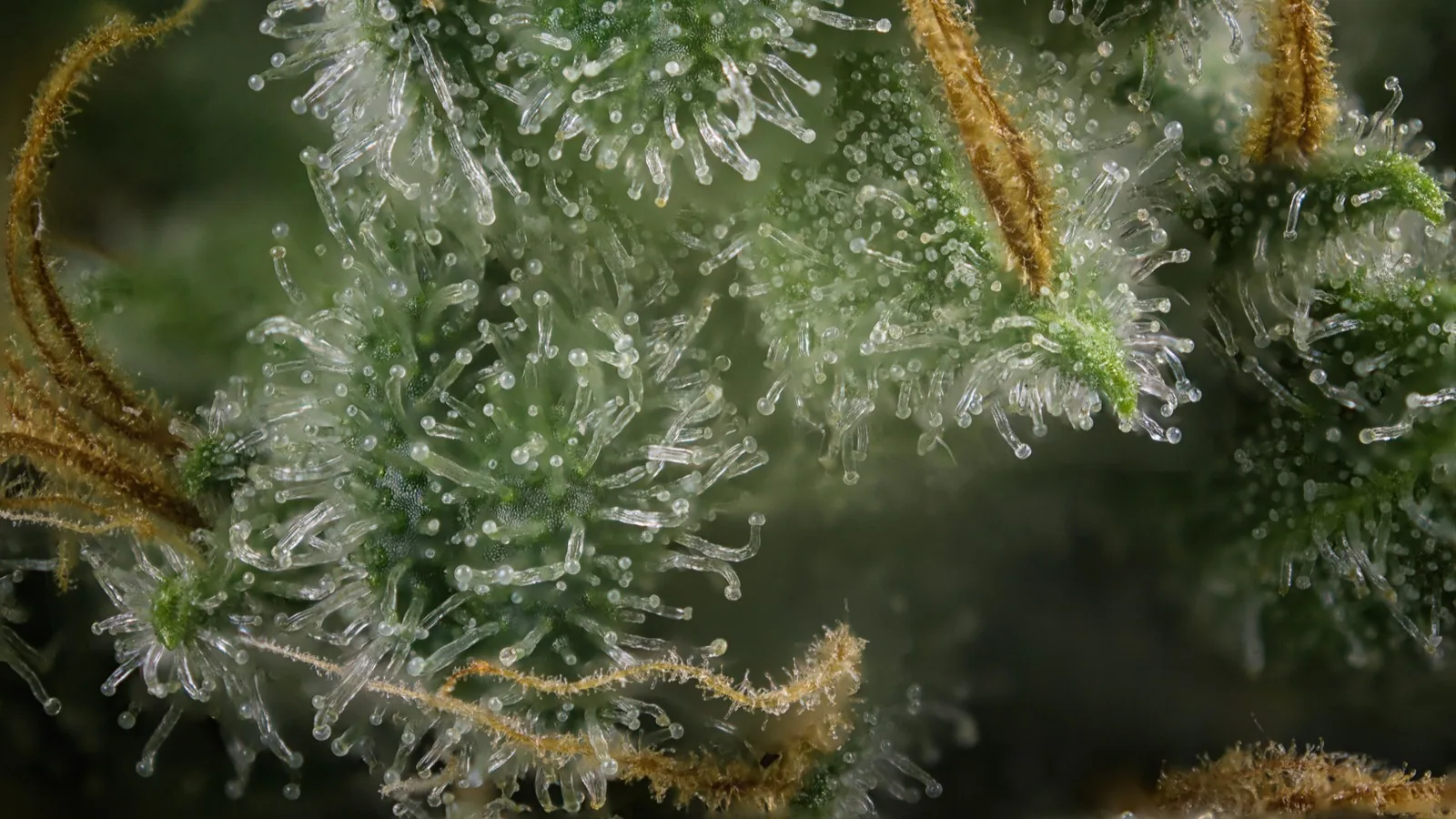
There are 130 more or less aroma compounds in an herb plant. The combination of different aroma compounds makes each variety unique. Some aroma compounds make you relax, some make your body feel energetic, some make you more creative. Each of them has its boil point. When an aroma compound reaches its boil point, it is ruined, and you will not be able to get benefits out of it. Decarboxylation is all about temperature, so controlling your decarb temperature under the aroma compound boil point will help you preserve the variety's taste. Below are boil points and some introduction to help you understand what an aroma compound is:
Myrcene. You can also find this aroma compound in parsley and thyme. It is often associated with soothing and antibacterial properties. The boiling point of Myrcene is 332.6°F.
Ocimene. The taste of it is woodsy and sweet. It is often linked to a tickle in the throat, and it brings a lift of energy to your body. The boiling point of Ocimene is 210°F which is also the boiling point of water.
Limonene. Like its name, this aroma compound smells like citrus. It helps to elevate mood and relieve stress. The boiling point of Limonene is 348°F.
Pinene. It's the most abundant type of aroma compound in herb plants. The smell of it is like pine trees and rosemary. The boiling point of Pinene is 311°F.
Caryophyllene. This aroma compound also interacts with the body's receptor system. The taste of it is like lavender and clove. The boiling point of Caryophyllene is 473°F.
Humulene. It's often noted for appetite suppression and anti-inflammatory effect. The smell is spicy and gingery. The boiling point of Humulene is 223°F.
Terpinolene. Taste like apple and cumin, the aroma compound is rich in many herb varieties. It has antioxidant and antibacterial effects. Its boiling point is 367°F.
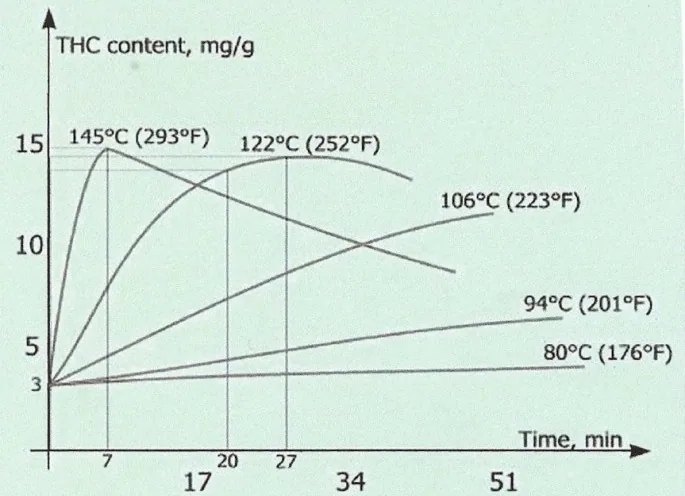
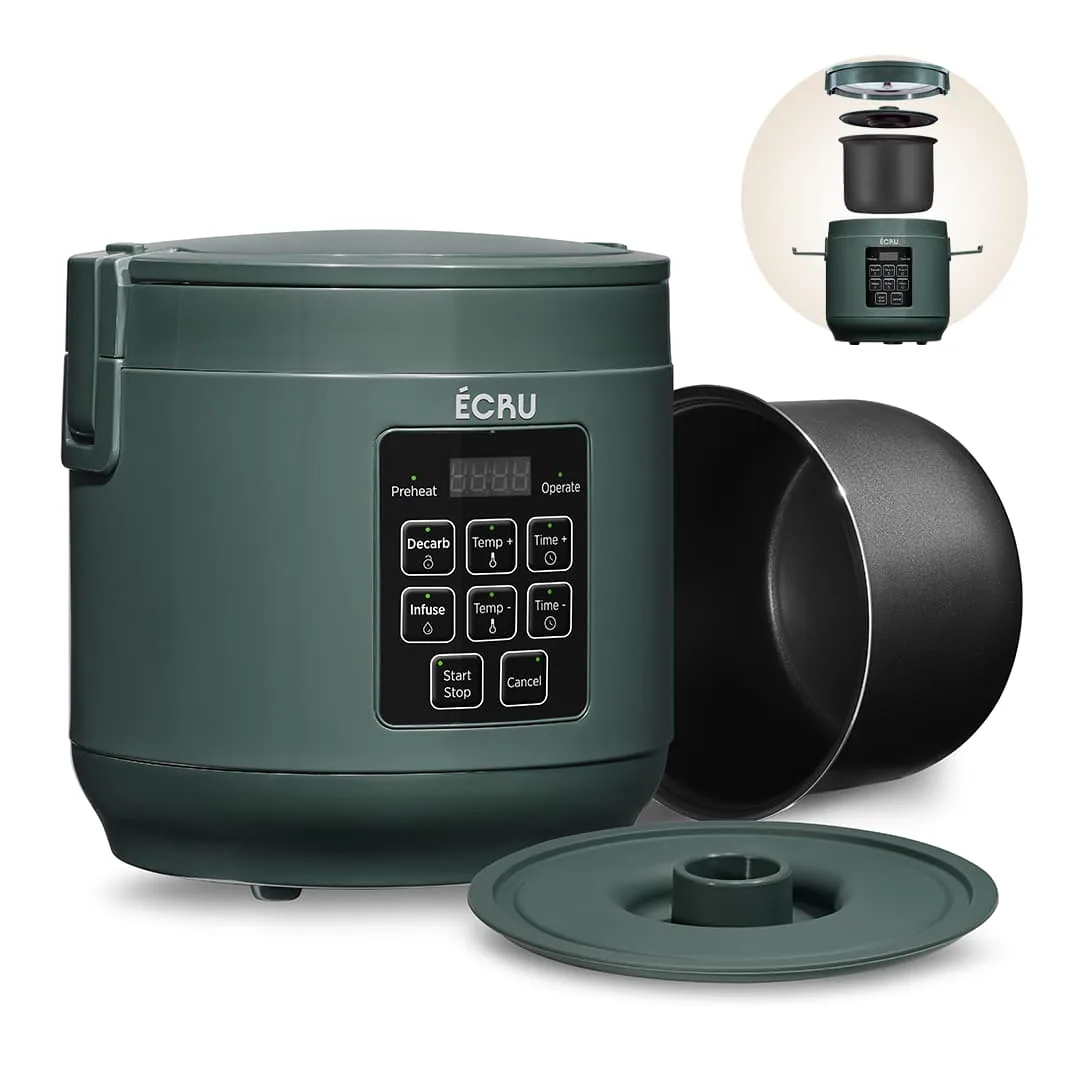
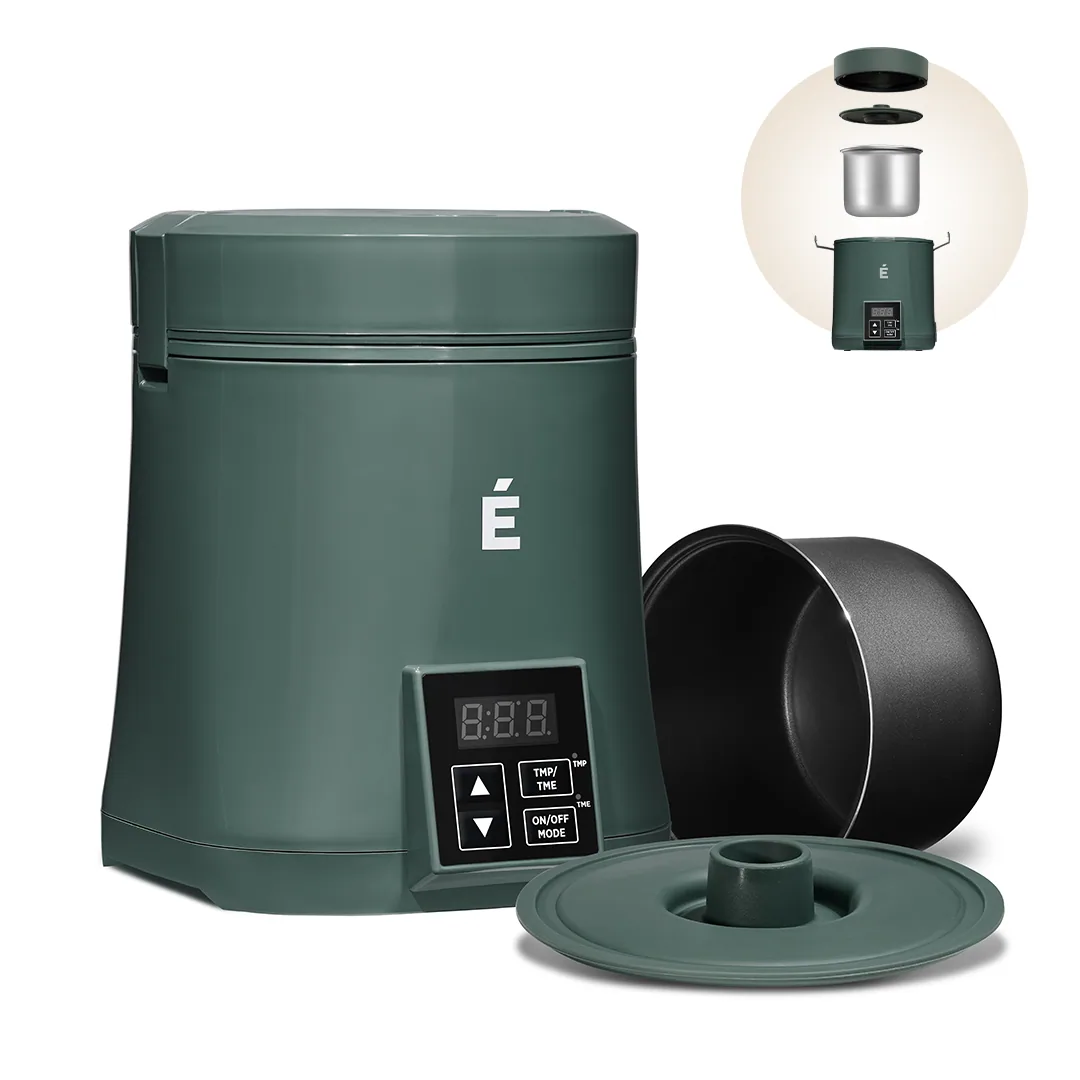
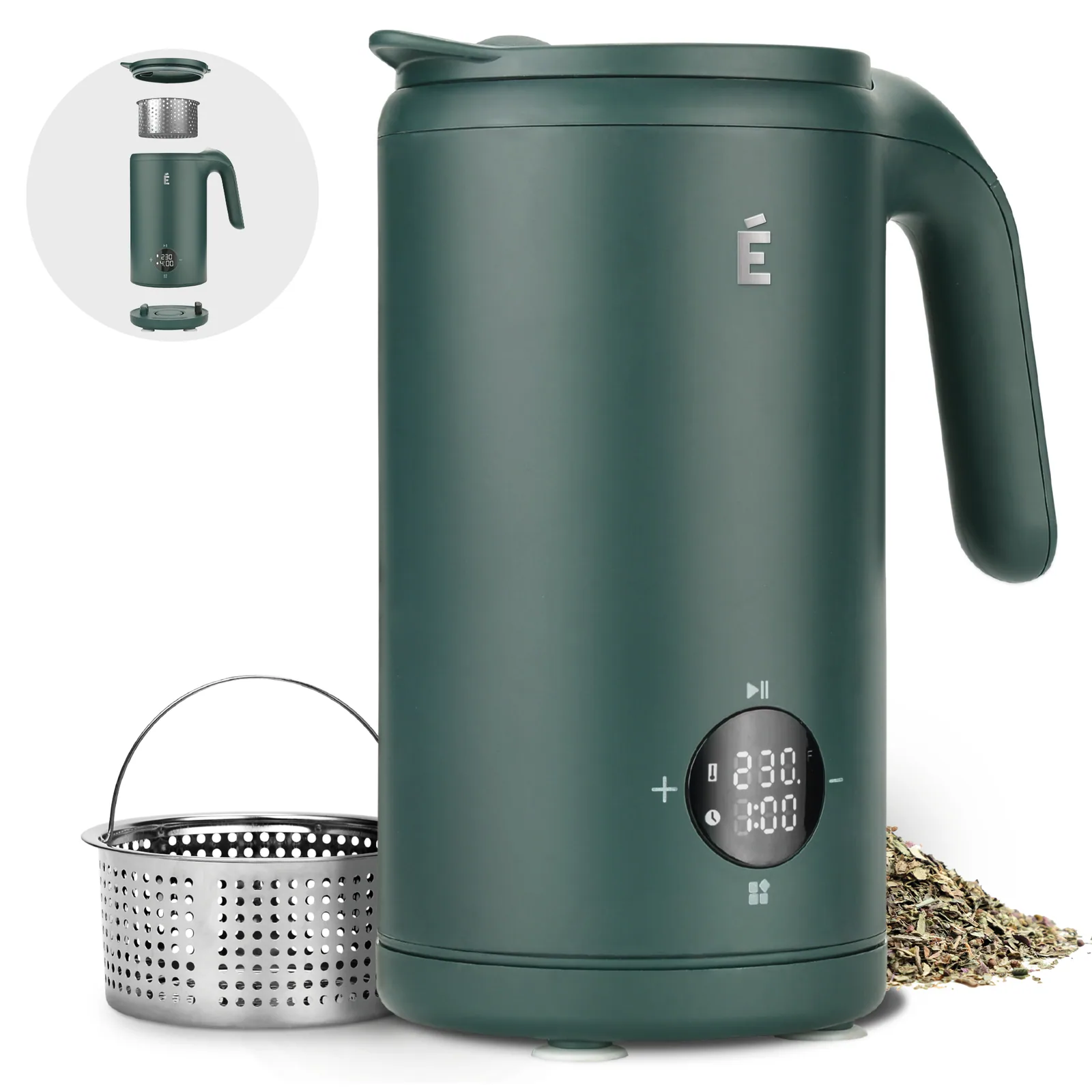
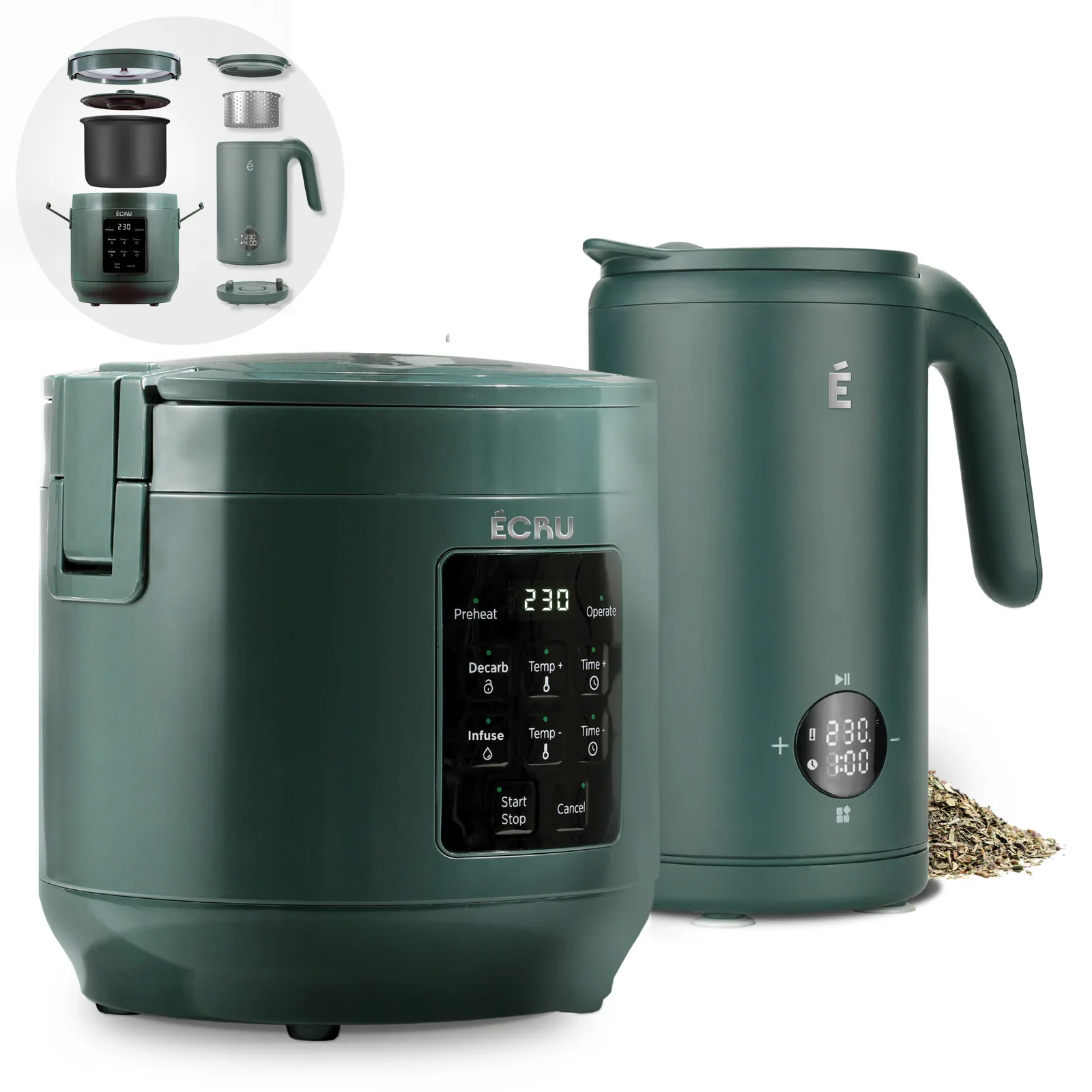
That’s why the ECRU #DecarbKit or #Activator is so important to home cooks - no matter you are an expert or novice. Every infused recipe begins with perfect decarb and ECRU’s goal is to help you simplify and standardize the process.
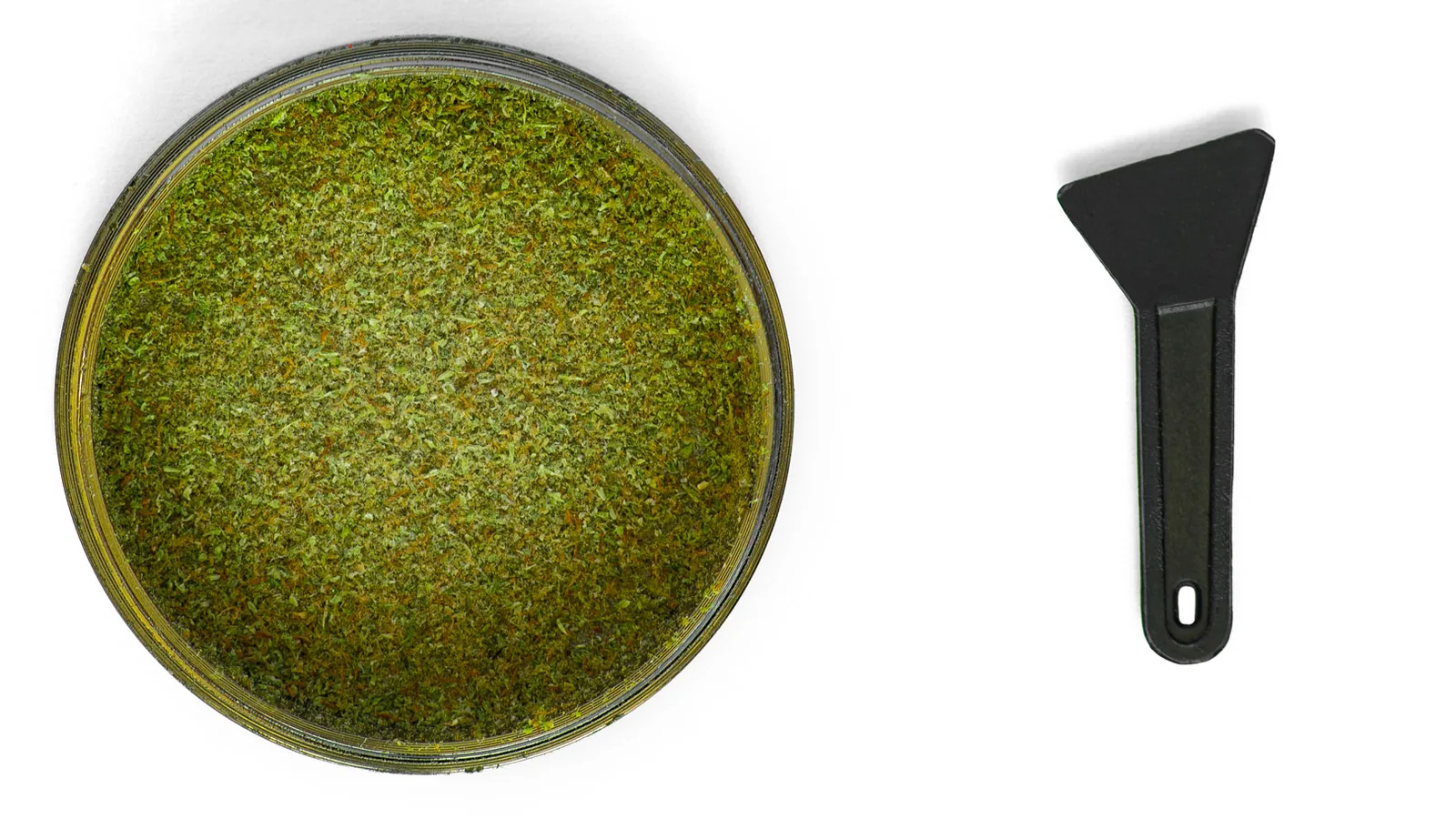
There are 4 preset modes in the #DecarbKit. The best thing for the preset mode is time and temp precision control. The thermometer monitors the micro environment inside the glass box. The countdown only starts when the temperature hits preset. Only by using this scientific method, you will achieve this slightly browned herb without stinking the kitchen.
To learn more about decarboxylation, please check below link to learn how to decarb with ECRU Decarb Kit.
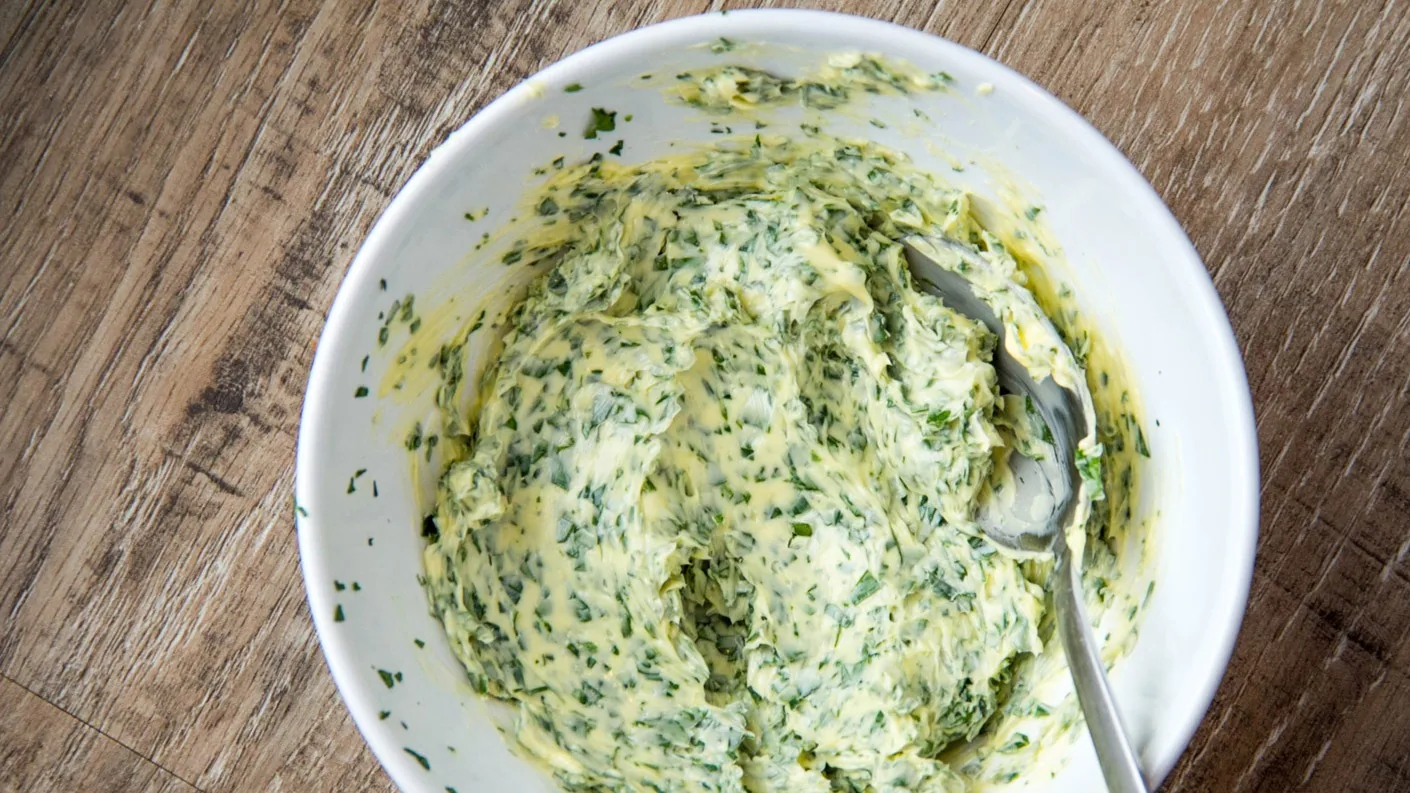
Herb Butter Herb Sugar
Get the RecipeGet the RecipeAre there other factors causing the degradation of aroma compounds?
The answer is yes. Below are tips you should follow if you want to keep dried herb fresh and preserve its intended effect.
Always store dried herb in a dark and cool place. Do not expose it to the sun! Brown glass or black glass is ideal for storage. Also, keep the temperature consistent. Do not put dried herb near the stove or window.
Avoid any plastic or rubber container. Aroma compounds degrade fast when touching plastic bags. Remember, glass is the best medium for preserving dried herb.
Store different varieties in a separate container. The residual smell from the old container must be cleaned before storing a new batch.
Keep stockpiles small. Whether you are a casual user or a chef, fresh herb is always the best. Don't stockpile too much dried herb if you cannot consume it in a short period. The plant material is brittle. You might lose some aroma compounds during storage.
Conclusion:
Does decarboxylation destroy aroma compounds? In most cases, decarbing your dried herb below 300°F can avoid wasting aroma compounds, and you can preserve most of them. In the meanwhile, storing dried herb properly will help keep the best of a fresh batch.