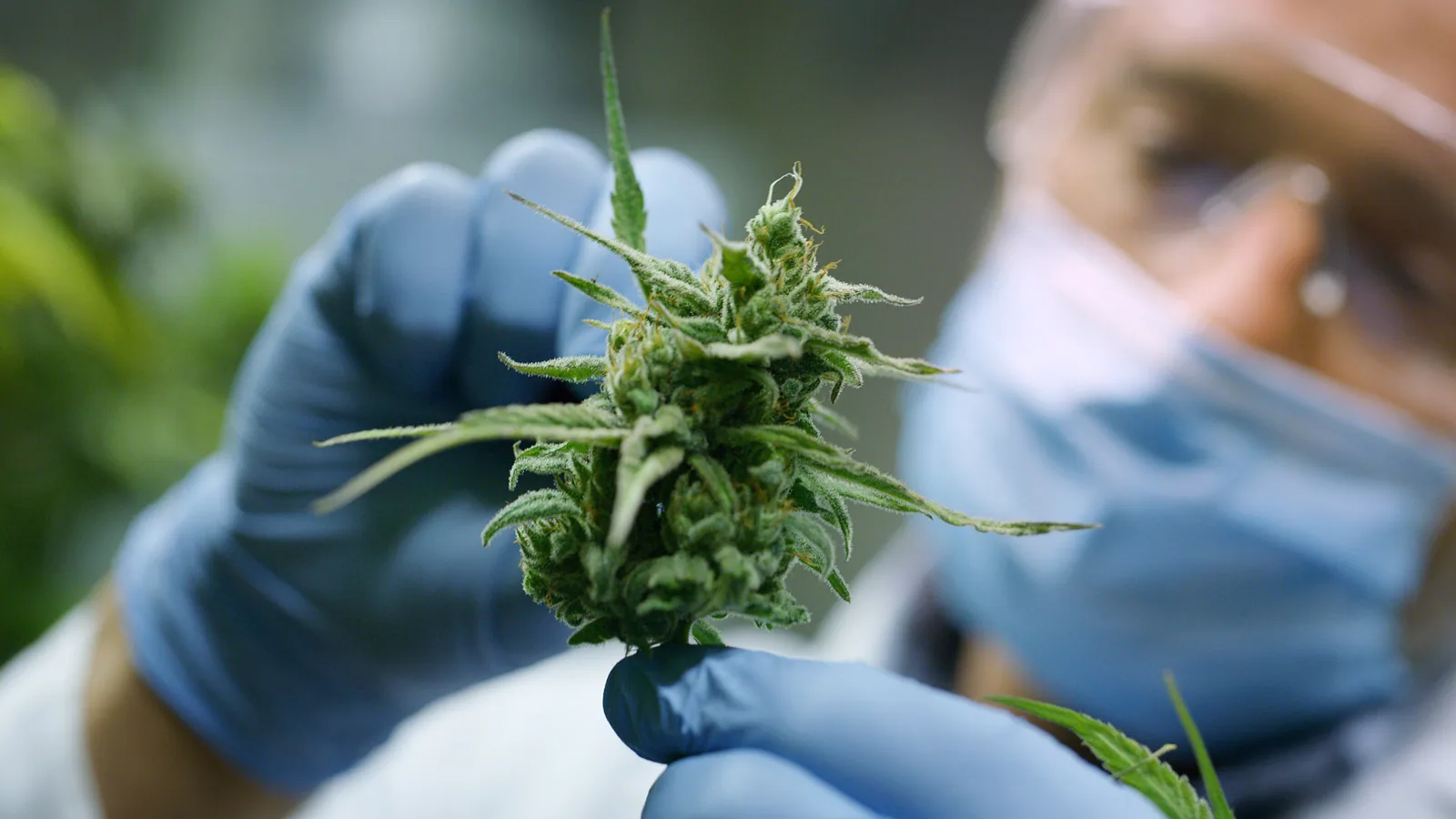
The Ugly and the Good: Herb Facts You Should Know

The Ugly and the Good, Facts about the Herb You Should Know Before
According to data from an article published in The Lancet 2007, the plant is not as harmful or dependence-forming as tobacco and alcohol. However, it's also wrong if we believe that the plant is harmless. Although the plant might not physically hurt the human body, overconsumption of its active compounds and the perceptual effects they produce are inherently dangerous, and the long-term psychological effects are difficult to evaluate. There is nothing wrong with most of the countries identifying it as a drug.
With more countries legalizing the plant, using it became a casual norm, including among public figures such as Barack Obama and Steve Jobs, who have used it and considered it harmless.
There are two types of use: one is medical use; the other is recreational use. Taking small servings of the plant can have a series of physical and psychological effects. Addiction to the plant is dominated by mental dependence and can be tolerated if used in large quantities for a long time.
As the oldest and most famous hallucinogenic plant in the world, it appears in a passage in The Enmity of Monte Cristo where Franz, a young man from the upper class of Paris, was taken to Monte Cristo. He tasted the green food in the silver cup at the feast of the mysterious cave. After that, "the body is light and light. In the air, Perception becomes very agile, and the amount of senses seems to have doubled. The original terrifying and gloomy horizon becomes blue, transparent, and boundless, filled with the blue of the sea, and the brilliance of the sun, rising straight up into the sky." This hallucinogenic effect is attributed to the plant.
Sinbad, the Sailor, invites Franz to have dinner, and for dessert, they are served a pressed herb preparation. They start talking, and Franz says, "I feel the eagle's wings springing out at my shoulders, and with those wings, I could take a tour of the world in four and twenty hours."
The Plant's Role in Traditional Medicine
In traditional Chinese medicine, the fruit of the plant is called "herb seed." It has been used to moisturize the intestines and ease constipation. The blossoms have traditionally been used for amenorrhea and forgetfulness. The husk and bracts are poisonous, but they have been used to relieve muscle tension, break up accumulation, and disperse pus. They don't taste good - the leaves contain an anaesthetic plant extract. After years of experiments on animals, researchers have studied whether the plant's active compounds can affect some cancer cells and even reduce the size of a tumour.
The plant has a long history of use in the care of certain serious illnesses (cancer, AIDS). It has been used to support appetite and ease pain. It has also been used for neurological symptoms such as glaucoma, epilepsy, migraine, and emotional instability, and to support patients undergoing chemotherapy. Although the medical use of the plant is still politically controversial, doctors often recommend it informally to patients.
A synthetic form of one of the plant's active compounds is an open prescription drug in many countries. That compound has also been studied for its effect on arterial blockage. Sativex, a sublingual spray made from plant extract, is approved in Canada for multiple sclerosis and can be legally imported into the U.K. and Spain as a prescription drug.
What needs to be distinguished is that in most countries around the world (including countries where it is legal), there are strict limits on recreational use of the plant, while medical use is more widely permitted. Defining the plant requires understanding its medical effects, side effects, and effects on the human body to understand why different countries have different views on it.
The physical and psychological side effects of the plant are as follows:
Physiologically:
(1) Faster heart rate: an average increase of 25 to 50 beats per minute, reaching 140 beats per minute. The increase in heart rate is related to the serving size and the amount in the blood.
(2) Congestion and dilation of the blood vessels of the ocular conjunctiva: typical red eyes appear.
(3) It can reduce intraocular pressure, which is relevant to glaucoma.
(4) Long-term use will increase blood volume.
(5) Extensive use can produce orthostatic hypotension.
(6) Long-term inhalation damages the function of bronchial epithelial cells, causing bronchitis and wheezing.
(7) Inhaled substances have specific carcinogenic effects.
(8) Long-term use of the plant can cause severe damage to health.
(9) Neurological disorders. Overconsumption can cause unconsciousness, anxiety, depression, hostile impulses, or suicidal intentions. Long-term heavy use can induce confusion, paranoia, and delusions.
(10) Damage to memory and behavior. Heavy use of the plant can weaken memory, concentration, calculation, and judgment, making people's thinking sluggish, obscured, and confused. Long-term use can also cause degenerative encephalopathy.
(11) Affect the immune system. Inhaling it can weaken the body's immune system, resulting in low cellular and humoral immune function and susceptibility to viral and bacterial infections. Therefore, long-term users may suffer from oral tumours.
(12) Inhaling it can cause conditions such as bronchitis, pharyngitis, asthma attacks, and laryngeal oedema. Its impact on lung function is ten times greater than that of a tobacco cigarette.
(13) Affect movement coordination. Excessive use of the plant can reduce the coordination of muscle movement, resulting in poor standing balance, shaking hands, loss of complex operation ability, and a reduced ability to drive motor vehicles.
The psychological effect of using it:
A brief period of anxiety may appear within 1-2 minutes after use, and there may be inexplicable and vague anxiety and irritability. After a few minutes, it gives way to a lighter period. You feel exceptionally stable, comfortable, relaxed, and happy. You think that everything is beautiful. Full of happiness when dealing with others, it can turn into a calm, contented state, no longer talking with others, willing to be alone in a state of quiet bliss.
Some users are indifferent and show little concern for the surrounding environment. If the user already has an anxiety or depression tendency, symptoms may worsen after use. Emotional changes may trigger unusual behaviors, such as giggling, crying, yelling, and even impulsiveness.
The effect on your Perception
Users are generally in a quiet mood, feel vivid, rich and profound about colors, and feel that the surrounding things are colorful and colorful. The ability to appreciate music is enhanced, and people become susceptible to other sounds. The senses of touch, taste, and smell can all be enhanced. Abnormal Perception manifests various forms of illusions, hallucinations, and comprehensive obstacles to perceptions such as time, space, and body shape.
Thinking and Association
While the perception changes, the brain is more competent in work. New ideas continue to emerge. Some people feel dull thinking and think that they have lost the ability to associate.
Psychomotor function
Mainly manifested as slow responses and an inability to coordinate physical operations. Long-term heavy users develop a cluster of symptoms marked by a lack of motivation, manifested as low initiative and a decline in personality and morals.
Cognitive decline
A wide range of cognitive decline: memory, thinking, concentration, and judgment are reduced, and reactions are slow. The effect of the plant on memory is not only evident but also complex. The most crucial impact is on short-term memory, while long-term memory is less affected. The user's signal perception and tracking behaviour are reduced, manifesting in slower reactions and information processing, with obvious effects on those with higher technical requirements. For example, driving a car and operating machinery are easily affected.
Personality change
Long-term heavy users often have personality changes, resulting in "unmotivated syndrome," which manifests as emotional apathy, sluggishness, boredom, laziness, irritability, changes in sleep cycles, and lost interest in personal appearance, hygiene, and diet. Inability to concentrate, poor memory, and obvious judgment problems show a state of mental decline.
Social influence
The plant can have a destructive effect on the physical and mental health of young people. It can severely affect adults' mental quality and adolescent development, reduce career initiative, remove the ability to work, live and study, and occasionally produce unprovoked aggressive behaviour.
In Europe and the U.S., the plant is legal in some places; even in areas where it is not legal, access to the plant is relatively easy. Europe and the United States have a mature supply and marketing chain for the plant, and there are even elites in finance, art, politics, and academia. Even law-abiding ordinary citizens have a high chance of being exposed to the plant. So people might have an illusion that the plant is relatively safe and familiar and has low social harm.
Conclusion:
The use of the plant may help people with specific kinds of pain and suffering. But overconsumption of the plant shouldn't be encouraged. For first-time users, start with a small serving. Keep an eye on how your body reacts.